
PTSD: National Center for PTSD





Prolonged Exposure: Helping During Treatment
Prolonged Exposure: Helping During Treatment
Available en Español
Is someone you care about starting Prolonged Exposure (PE) for posttraumatic stress disorder (PTSD)? Learn what to expect and how you can support your loved one during treatment.
Reading time: minutes
What Is PE?
Prolonged Exposure (PE) is an evidence-based treatment for posttraumatic stress disorder (PTSD). This means that it has been studied by many researchers and found to be effective in treating PTSD. Most people who complete 8-15 weekly sessions of PE show a noticeable improvement in PTSD symptoms.
PE teaches people how to confront memories, feelings, and situations they have avoided since the trauma. By decreasing avoidance—one of the underlying causes of PTSD—your loved one can recover. In PE, your loved one will talk through painful memories in a safe place and take part in activities that may have been avoided because they are related to the trauma.
Prolonged Exposure (PE)
PE has four main parts:
- Education about PTSD and PE
- Breathing retraining
- In-vivo exposure
- Imaginal exposure
1. Education about PTSD and PE
PE starts with education about PTSD and common ways people respond to trauma. The therapist will ask your loved one about symptoms, explain how PE works, and discuss the goals of treatment. You can help by:
- Learning about trauma, PTSD, and PE. Knowing the basics is a great place to start. The resources listed at the end of this page can help.
- Asking your loved one to share information about PTSD. You can also ask about treatment goals.
2. Breathing retraining
When people get anxious or distressed, their breathing often changes. Breathing retraining is a skill your loved one will learn to help relax. Learning how to control breathing can help your loved one manage distress. You can expect you loved one to practice controlled breathing a few times a day. You can help by:
- Giving your loved one some quiet time to practice.
- Asking your loved one to teach you the skill. You may find it helpful for yourself when you are dealing with distress. And, teaching can be good practice for your loved one as well.
3. In-vivo exposure
"In-vivo" exposure just means taking part in real life situations. Your loved one will work with a therapist to make a list (called a "hierarchy") of situations that are being avoided due to the trauma. In-vivo exposure involves going into situations that are actually safe, but remind your loved one of the trauma. The goal is to have your loved one engage in life again.
There is homework between therapy sessions. Your loved one will practice going into each situation gradually until doing so does not cause distress. At first, these situations may cause your loved one to experience more distress. It may seem like the PTSD is actually getting worse. However, by sticking with it, your loved one will see that it gets easier, and less distressing. You can help by:
- Giving your loved one time to practice going into the situations.
- Being available to be a part of the exposure homework as needed. For example, at first you may be asked to go to the store with your loved one. Later on your loved one may need to do it alone. Having both experiences is very helpful.
- Encouraging your loved one to face things that make them uncomfortable or anxious, including activities that are part of treatment.
- Giving encouragement if your loved one gets anxious about doing exposure homework.
- Reminding yourself that it is ok if your loved one gets distressed during the exposure homework.
- Understanding that your loved one may want to do things alone that you had come to enjoy helping with.
4. Imaginal exposure
Imaginal exposure involves talking about the trauma memory over and over with a therapist. This will help your loved one learn not to be afraid of, or overly upset by, those memories. The therapist will also help your loved one change negative thoughts and feelings about the trauma. During sessions, your loved one will make recordings while talking about the traumatic memories. Your loved one will then listen to these recordings many times at home between sessions. You can help by:
- Understanding that your loved one may not want to talk with you about trauma memories. This can change as treatment goes on. Not asking to listen to the recordings. You may be curious about what is on the recordings, but know that most people prefer to keep these private.
- Allowing your loved one time to listen to the recordings in privacy.
- Reminding yourself it is ok if your loved one gets distracted or upset after listening to the recordings. Just like the in-vivo assignments, the listening exercises will get easier over time. Encouraging your loved one to face the difficult feelings may actually help them stick with and finish the treatment.
Wrap Up
PE is effective in treating PTSD. Your loved one's decision to start or consider PE is a great first step in recovery. Understanding the basics of PE will help you support your loved one during the treatment process.
Printable Handout
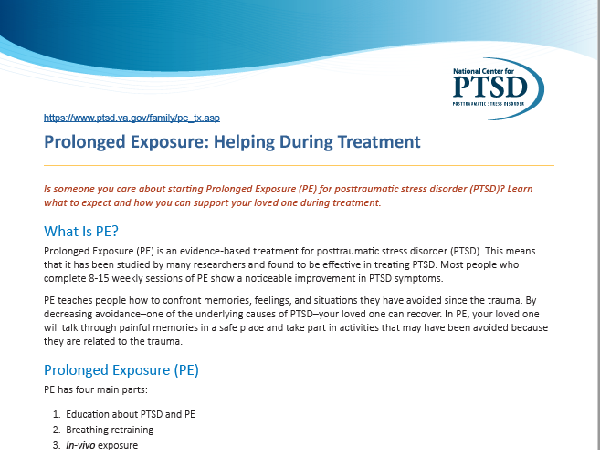
Prolonged Exposure: Helping During Treatment
Download a PDF of this page which discusses what to expect and how you can support your loved one during PE treatment.
Additional Resources
There are more videos and programs to support family members or help you learn about trauma, PTSD, and PTSD treatments like PE. We recommend:
- AboutFace: Learn about PTSD from Veterans who've experienced it. Listen to their stories and find out how treatment turned their lives around. Hear from family members and clinicians as well.
- Animated Whiteboard Videos: Short videos that use hand-drawn images to describe PTSD and effective treatments, including PE.
- Understanding PTSD: A Guide for Family and Friends | Available en Español (PDF): Booklet that includes what you need to know to help yourself and your loved one with PTSD.
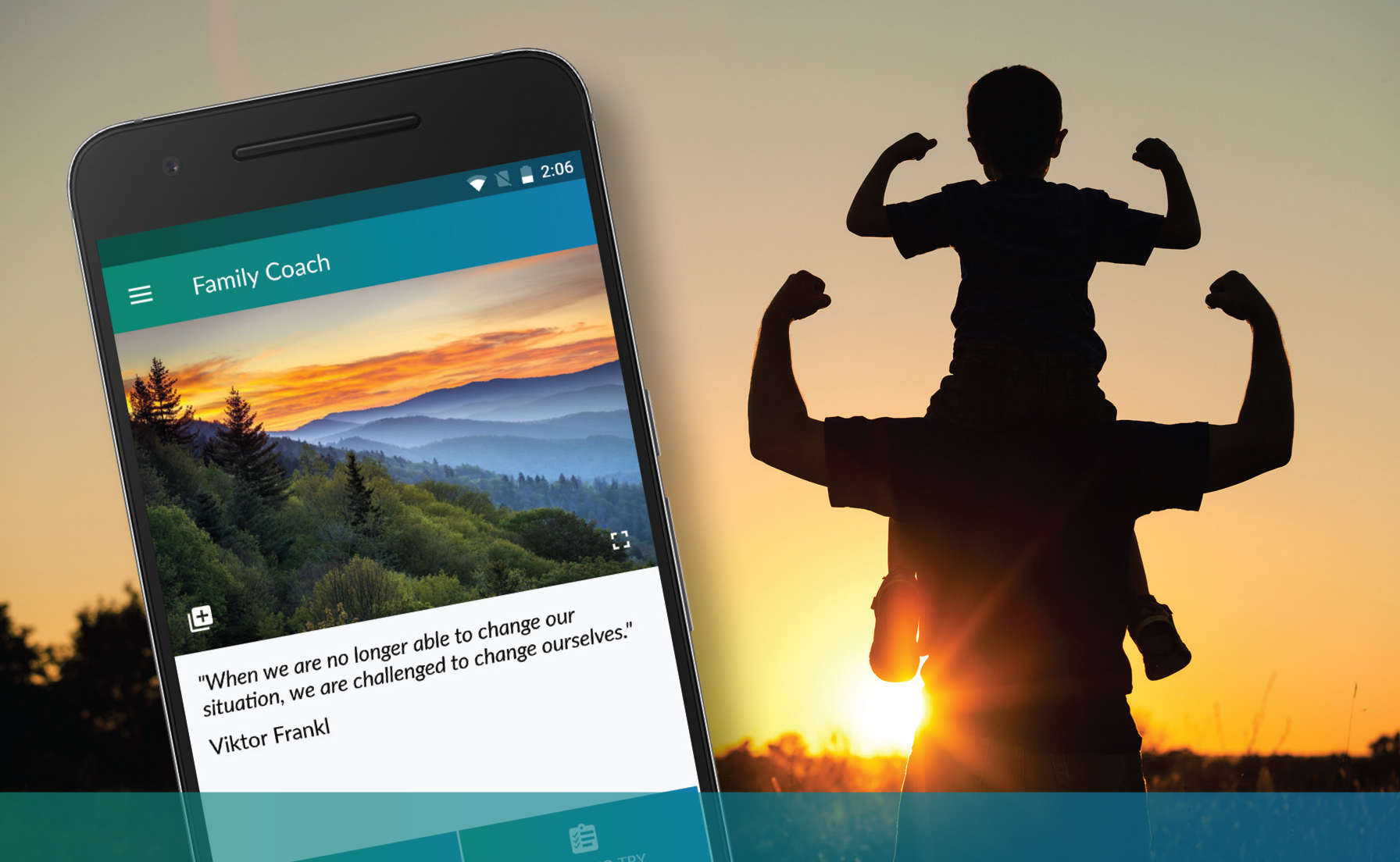
- PTSD Family Coach Mobile app: designed to provide support for concerned family members of those with PTSD.
- VA Caregiver Support: Programs to help you care for the Veteran you love and for yourself.
You May Also Be Interested In
Understanding PTSD: A Guide for Family and Friends (PDF)
What you need to know to help yourself and your loved one with PTSD.