Attention A T users. To access the menus on this page please perform the following steps.
1. Please switch auto forms mode to off.
2. Hit enter to expand a main menu option (Health, Benefits, etc).
3. To enter and activate the submenu links, hit the down arrow.
You will now be able to tab or arrow up or down through the submenu options to access/activate the submenu links.
Locator
Contact
Search
Search



Menu





How Can I Help?
“Just be there for him or her. Encourage them to try to get help.”
Olivia Jefferson
Family Member

How Can I Help?
Available en Español
You want to help someone you care about if they have PTSD. But PTSD symptoms can make people less happy or "on edge." They may have a hard time at work or at school. And they may pull away from you, even if you are family or a close friend. This section includes information to help you support a family member or friend with PTSD. There is also information about how you can help someone during PTSD treatment.
Helping a Loved One
- Helping a Family Member Who Has PTSD
PTSD can be hard on families. Changes in one person often greatly impact other family members. Learn ways to help a family member who has PTSD and tips for taking care of yourself. - Cognitive Processing Therapy: Helping During Treatment
Cognitive Processing Therapy (CPT) is an evidence-based therapy for PTSD. CPT helps people recognize how trauma changed their view about themselves, others, and the world. In CPT, people learn how to change those negative thoughts and feelings. Learn what to expect and how you can support your loved one during treatment. - Prolonged Exposure: Helping During Treatment
Prolonged Exposure (PE) is an evidence-based therapy for PTSD. PE helps people do things and go places they have avoided since the trauma. Learn what to expect and how you can support your loved one during treatment. - Eye Movement Desensitization and Reprocessing (EMDR): Helping During Treatment
EMDR is an evidence-based therapy for PTSD. EMDR helps people process their trauma experiences using back-and-forth movements or sounds while calling to mind the memory. Learn how you can support your loved one during treatment. - Written Exposure Therapy (WET): Helping During Treatment
Written Exposure Therapy (WET) is an evidence-based brief psychotherapy--or talk therapy--for PTSD. It helps people find new ways to think about a traumatic experience and what it means by writing about thoughts and feelings during the event and talking with a provider. Learn how you can support your loved one during treatment. - Grief: Helping Someone Else After a Loss
Learn strategies to support someone grieving a loss.
Helping a Veteran Get Needed Care
- Help a Veteran Get Needed Care
If you notice a difference in a Veteran you care about, you may not know how to talk about it. Learn some tips and resources to help you talk to a Veteran about getting care.
You May Also Be Interested In
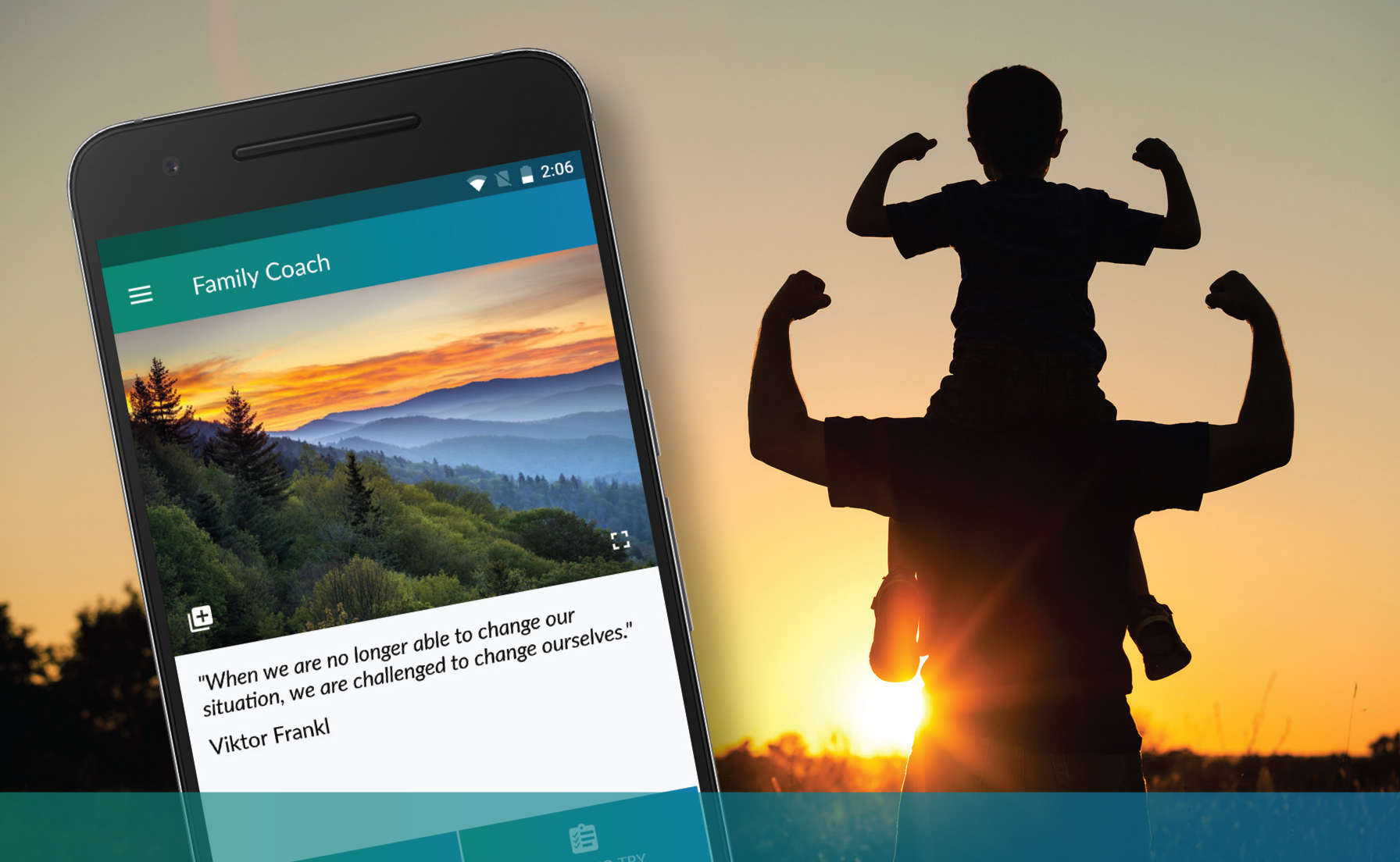
Understanding PTSD: A Guide for Family and Friends (PDF)
What you need to know to help yourself and your loved one with PTSD.